
Permanent Installations
ARCHITECTURAL PROJECTION & INTERACTIVE ENVIRONMENTS
Aether designs and builds permanent projection-mapped and interactive installations for buildings, museums, public plazas, and venues - engineered to run for years with minimal maintenance and refresh-on-demand content.
An event ends when the truck packs out. A permanent install runs for a decade and pays back every year.
Permanent immersive installations turn buildings, lobbies, museum galleries, and public plazas into long-term destinations. They draw repeat foot traffic, anchor place-making narratives for cities and developers, and qualify for capital, percent-for-art, and federal grant funding that one-off events cannot access.
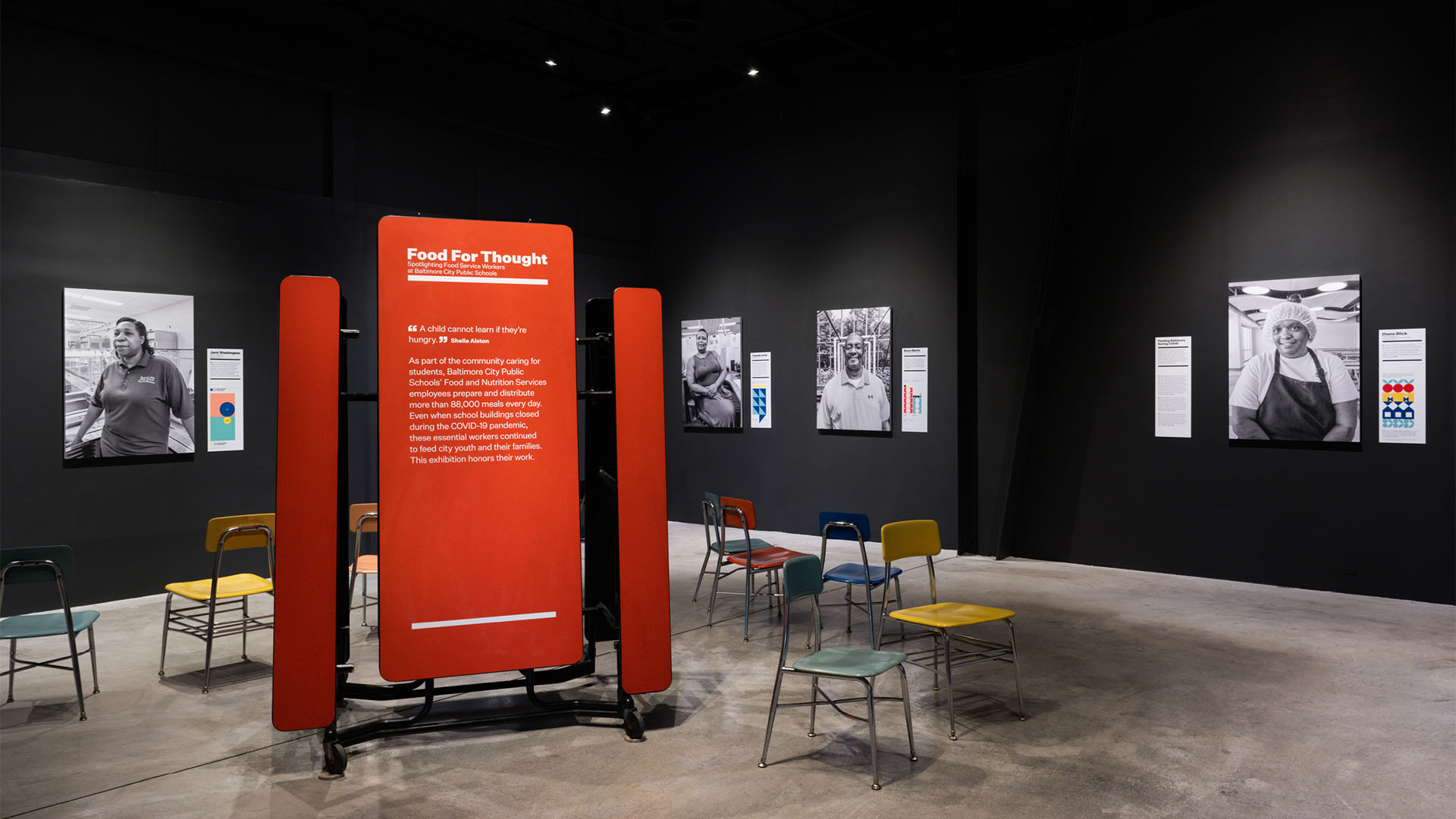
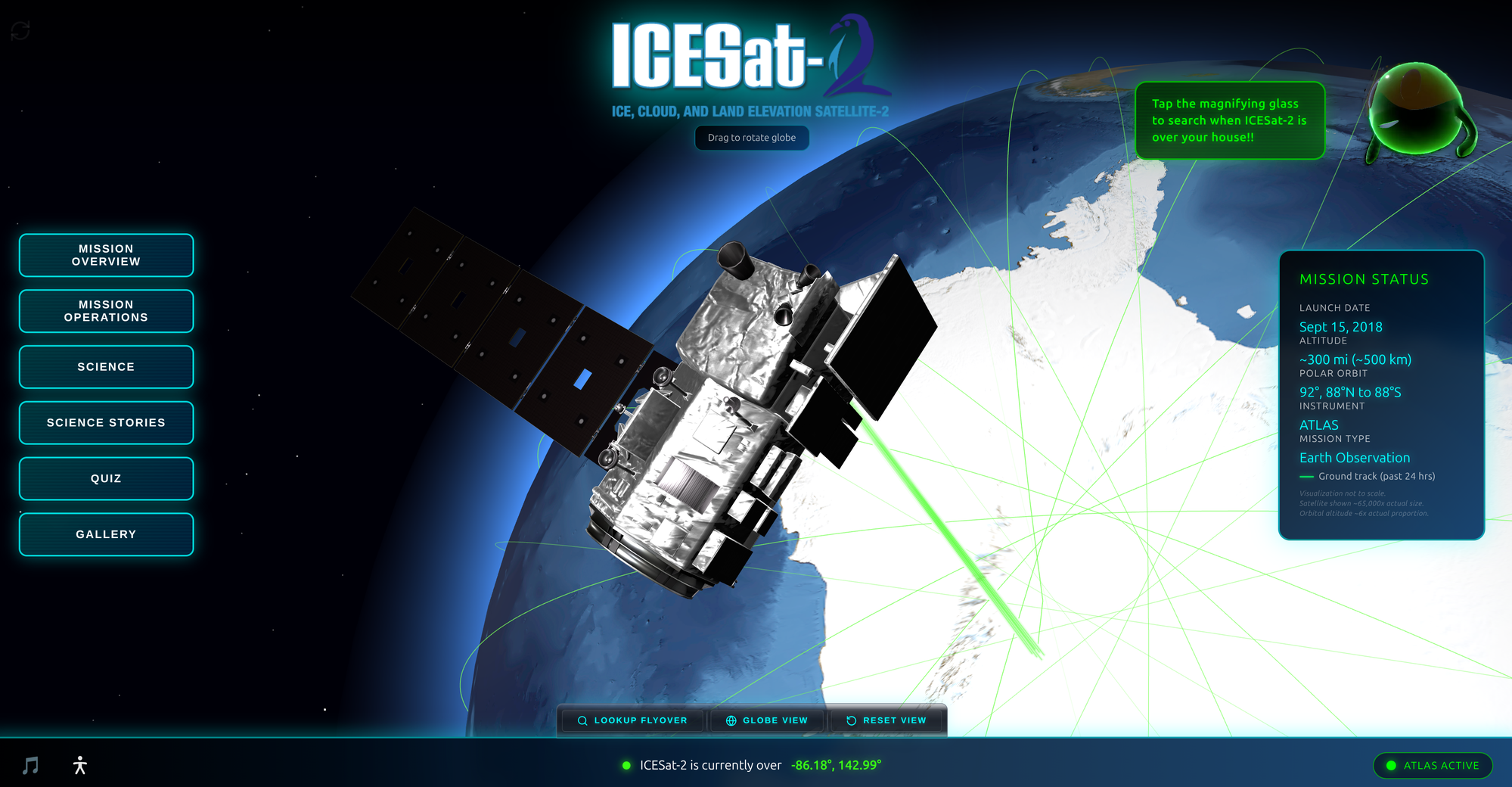
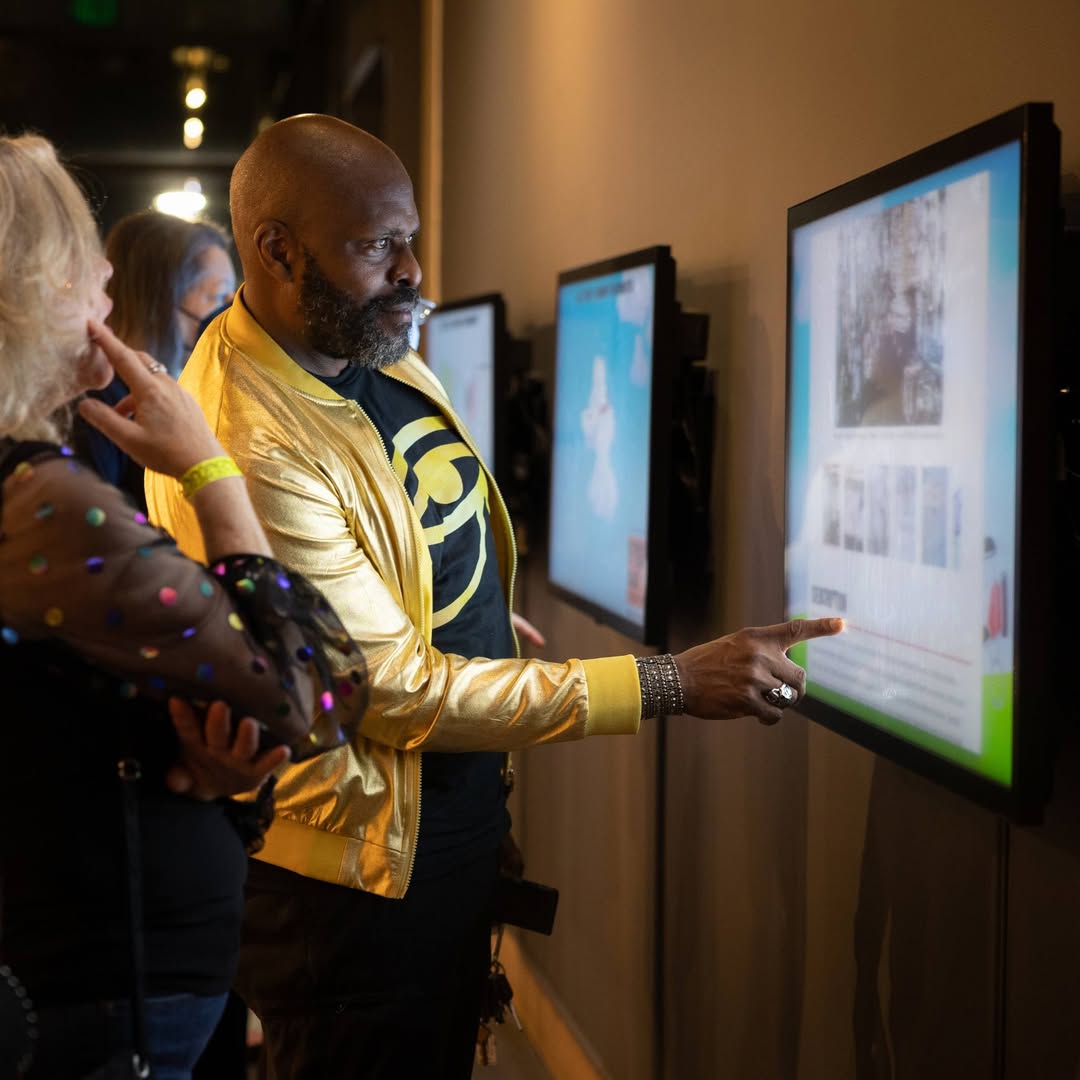
Aether builds for the long run. Our SEGD Merit Award–winning work on the Baltimore Museum of Industry's "Food for Thought" uses a Lutron + Raspberry Pi automation stack and a custom staff management UI that the museum operates daily without our involvement. Our multi-user drawing wall at AVAM has welcomed thousands of visitors. Our NASA ICESat-2 kiosk ships content updates remotely from Goddard. We engineer for the life of the installation, not just opening day.
Architectural Building Projection
Permanent exterior projection on facades, plazas, courtyards, and signature surfaces. Hardware engineered for outdoor and weather, content libraries tuned for ambient light.
Lobby & Atrium Installations
Permanent ceiling, wall, and floor mapping for hospitality, corporate HQ, mixed-use developments, and museums. Always-on content with seasonal refresh.
Museum & Exhibit Integrations
Synchronized lighting and projection for permanent exhibition design (see our SEGD-Merit-winning work on Food for Thought at the Baltimore Museum of Industry).
Interactive Public Art
Camera, sensor, and touch-driven installations for libraries, transit, and public spaces. Drawing walls, shadow play, gesture-driven generative pieces.
Show-Control Infrastructure
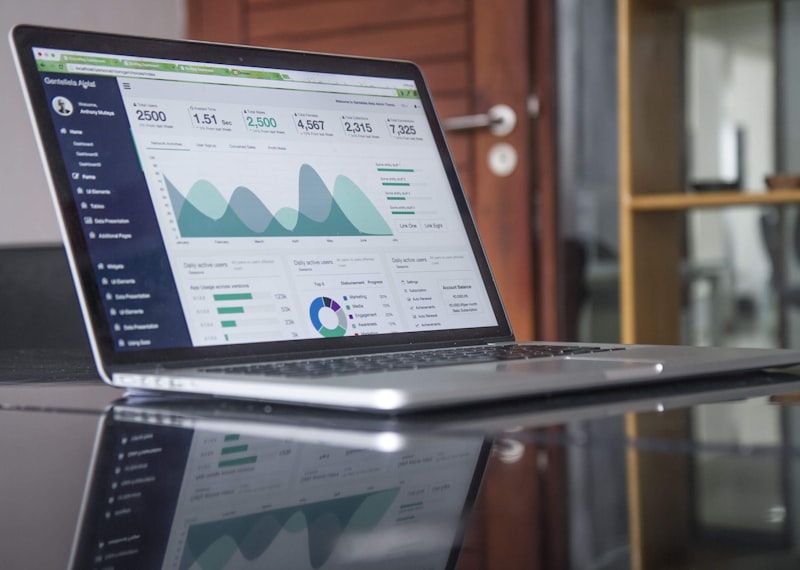
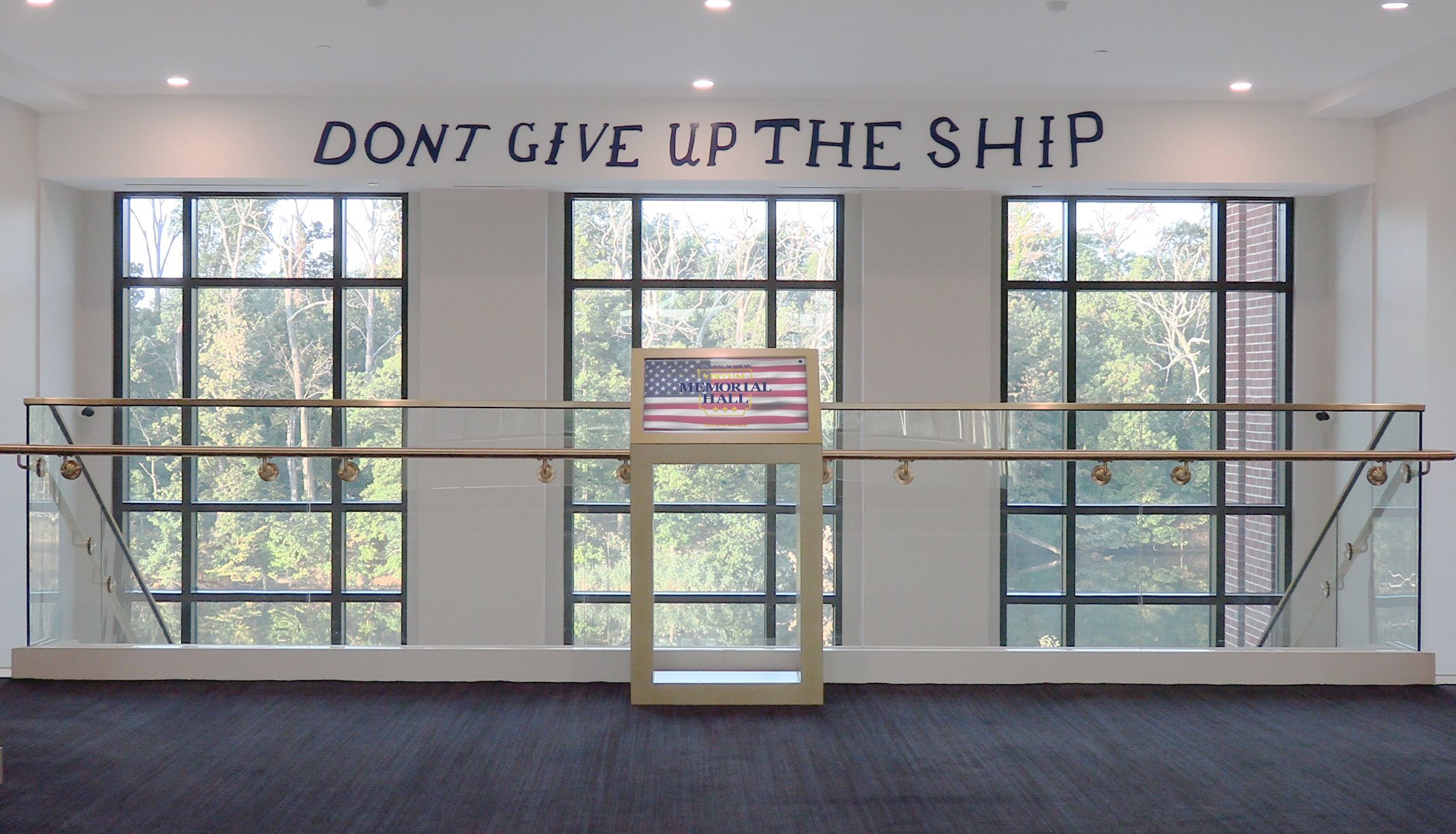
The systems that keep installations alive - schedulers, content management UIs for staff, remote monitoring, automated failover, and content rotation tools.
Restoration & Refresh of Existing Installs
Take-over of installations from prior vendors that have gone dark - diagnose, modernize the hardware, replace the content stack, restore reliability.
Engineered for ten years, not for opening night.
Most "immersive installations" go dark within 18 months because no one designed for content refresh, no one wrote a staff-operable UI, and no one budgeted for the projector lamp on month thirteen. We work backwards from year-five operation: hardware tier picked for duty cycle, content libraries with rotation tooling, monitoring for remote diagnosis, and a staff handoff that does not require us on speed dial. Permanent means permanent.
Permanent & long-running installations

Frequently Asked Questions
How does a permanent installation differ from an event activation?
What is a typical budget range?
How long do these installations actually last?
Can the venue staff manage content themselves?
Do you handle architectural integration with the building?
What about percent-for-art commissions and public-art programs?
What is the timeline from kickoff to opening day?
Can the installation be funded through grants or capital appropriations?
Have a building, a museum, or a public commission in mind?
Send us a site brief - we'll come back with concept directions, a real budget range, and where capital or grant funding could help.