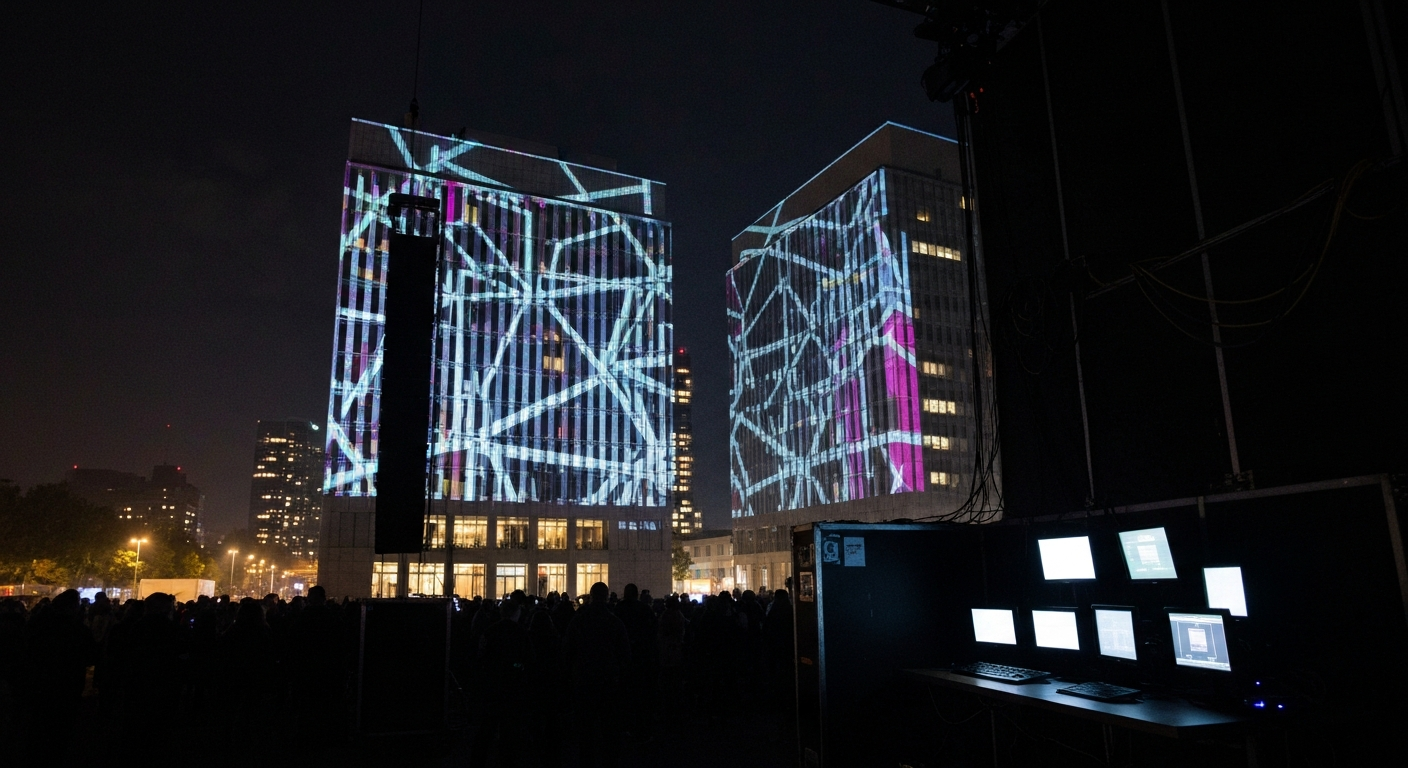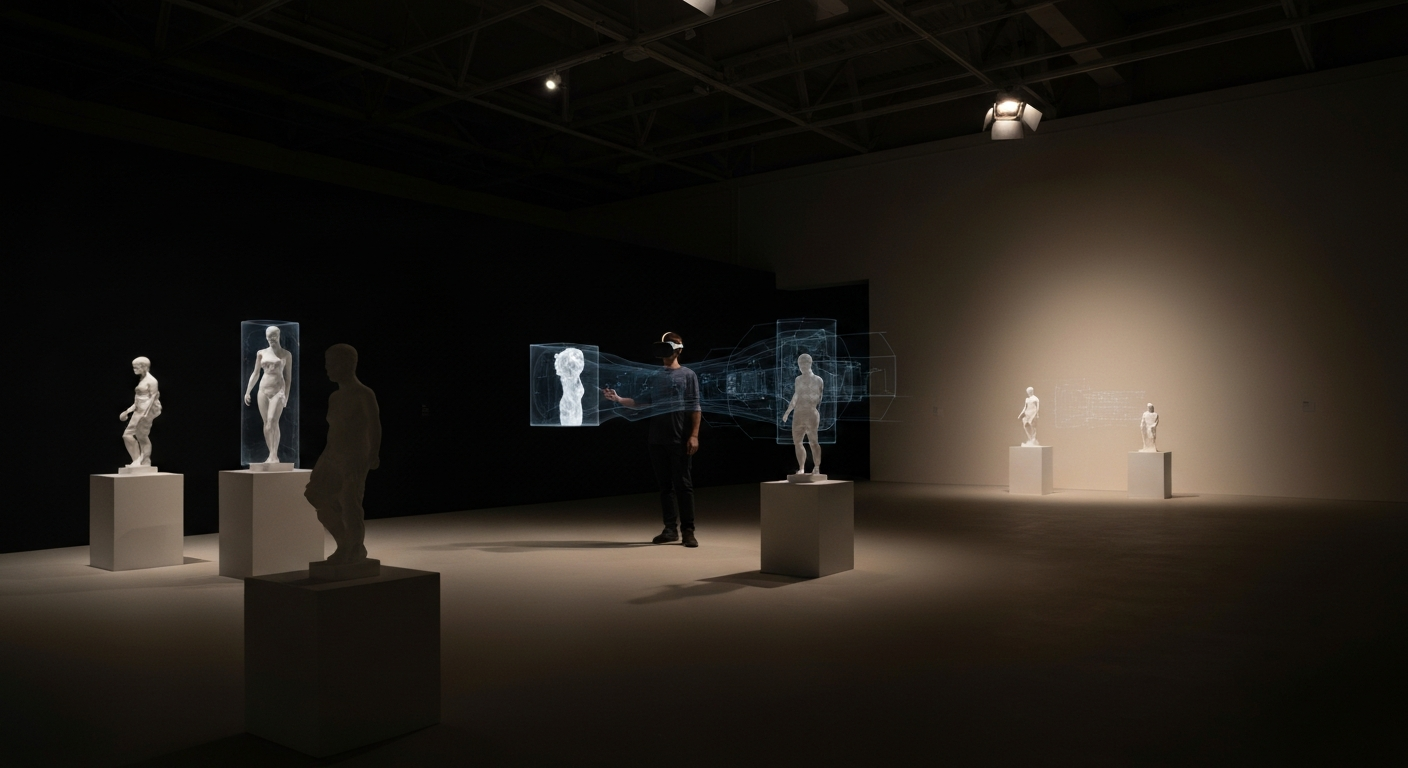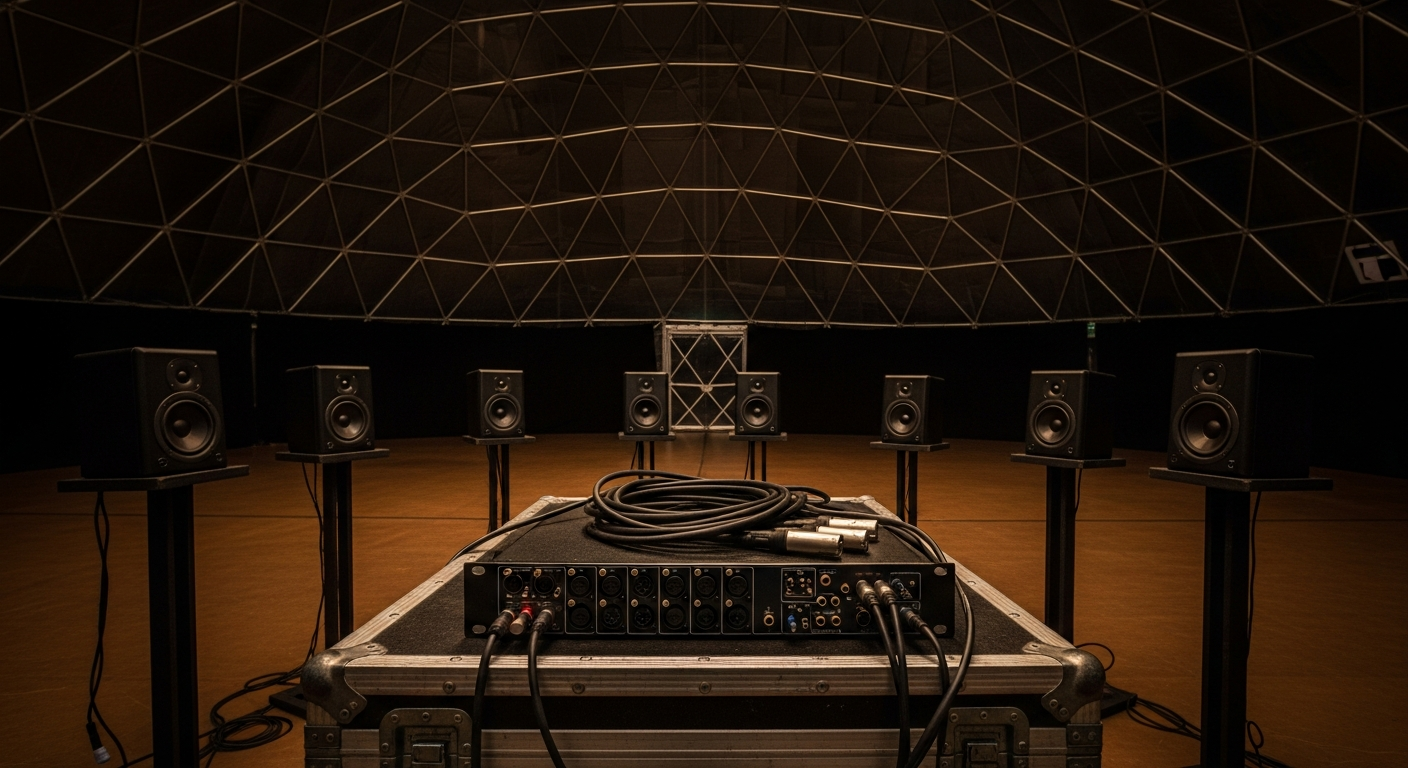
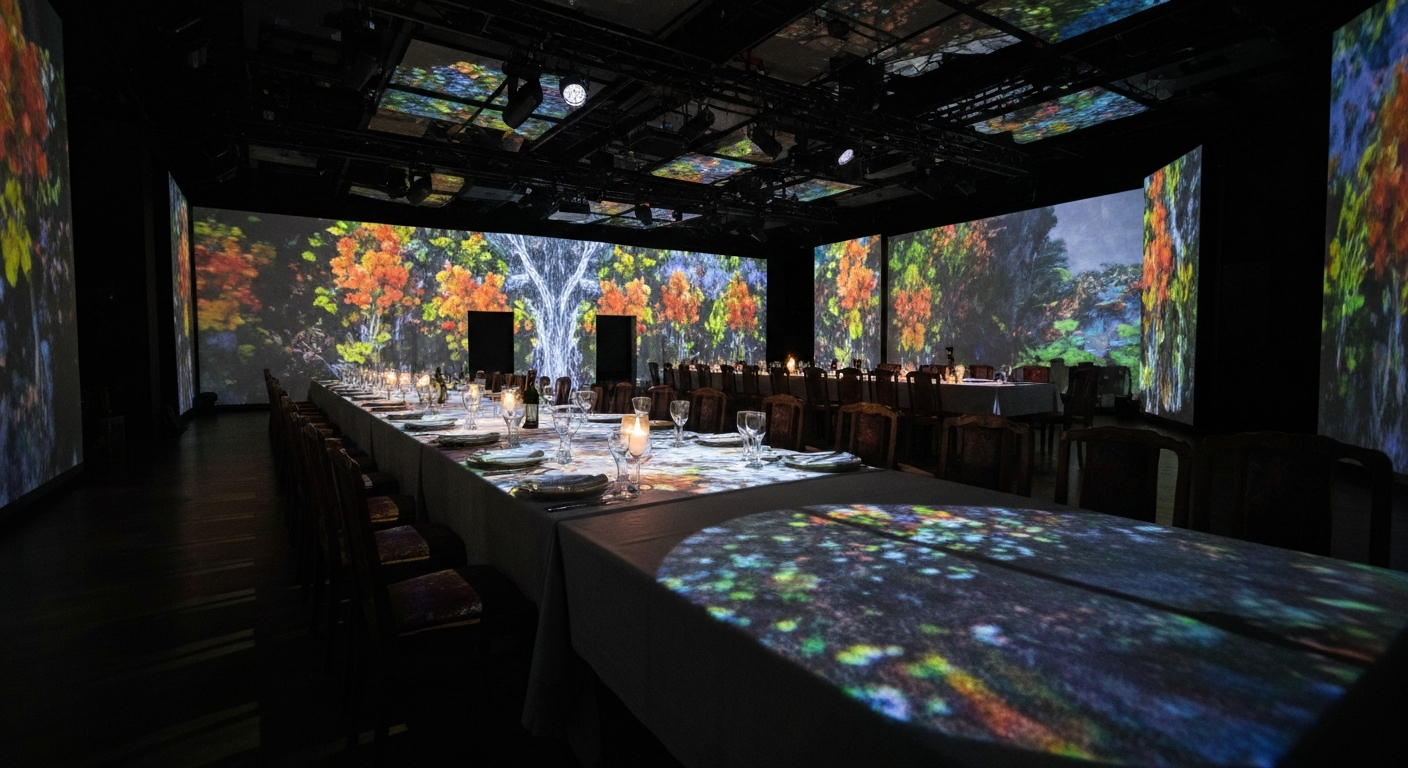
A surprising amount of the immersive industry's growth over the last five years has come from a category that doesn't announce itself as "immersive" at all: restaurants, bars, retail spaces, and themed entertainment venues. Walk into a new cocktail lounge in Miami or a boutique in Tokyo and there's a decent chance it's running more projection, LED, and real-time content than a mid-sized festival stage did a decade ago.
This shift matters, because it changes who's buying immersive tech and what they're buying it for.
Why restaurants are buying projection
Dining is a competitive market where the food has to be good and the experience has to be something the diner will photograph. Projection and interactive content give operators a differentiator that's hard to copy - a competitor can replicate a menu in a month, but they cannot replicate a room that behaves as a permanent piece of theater.
The economics work because the content is reusable. A themed dining concept pays for the installation once, amortizes it across years of service, and refreshes the content seasonally for a fraction of the original build. Compared to a live show where the visuals exist for one night, a permanent dining install is a much more patient investment.
What themed entertainment has always known
The themed-entertainment industry - Disney, Universal, the better theme parks globally - has been doing permanent immersive environments for 60 years. What's changed is that the techniques have migrated out of the parks and into adjacent industries. The show-control systems, projection-blending technology, and scene-programming workflows that Disney pioneered in the 1970s now run permanent installations in casinos, museums, flagship retail, and restaurants.
The knowledge transfer happened mostly through talent movement - designers who worked on Imagineering-adjacent projects brought the techniques with them when they moved into commercial work. The result is a quiet democratization of themed-attraction methodology.
The three types of immersive dining
- Ambient immersion: the room is a background character. Projection, subtle motion, changing light as the meal progresses. The goal is enhanced atmosphere, not showpiece moments.
- Show dining: the meal is punctuated by timed audiovisual events. A hero projection during the main course, a dessert course that uses the table as the canvas. Guests expect choreographed moments.
- Full immersive: the entire meal is a narrative experience. Ten courses, each in a different environment, projection and sound driving the story. Ticketed, high-price, destination-level.
Each type has different tech requirements and different operational demands. Ambient is the easiest to get right and the most reusable. Full immersive is the riskiest and the most differentiated when it works.
Why this is good for the industry
Live-event work is episodic. A festival installs for a weekend and strikes. A brand activation runs for a month. Permanent installations run for years, which means operators buy in at a different scale, maintain their installations as investments rather than rentals, and sustain a market for the supporting industries - rigging, content production, software maintenance, content refresh cycles. For the immersive industry at large, the shift toward permanent venues is a shift toward a healthier, steadier market.
Festivals made immersive tech visible. Restaurants are making it permanent. The studios building the next decade of immersive work are the ones figuring out how to design for a room that will run for five years, not five nights.
Where it's going
Watch the mid-market - mid-tier casual dining chains, independent bar groups, mid-size retail. The high-end has already adopted; the mid-market is where the next wave of installation work is going to come from, because the technology has dropped enough in price that a local operator can now afford what used to require a major-brand budget. The studios that can work at mid-market budgets with high-end aesthetic sensibility are the ones who'll define this decade.