"Mixed reality is going to replace physical installations" was a prediction that ran for about a decade. It is not going to happen. The reality in 2026 is more interesting: mixed reality has found specific niches inside installation work where it does things nothing else can, while failing to replace the broader category. Here's where it actually fits and where it doesn't.
Headsets aren't a crowd medium
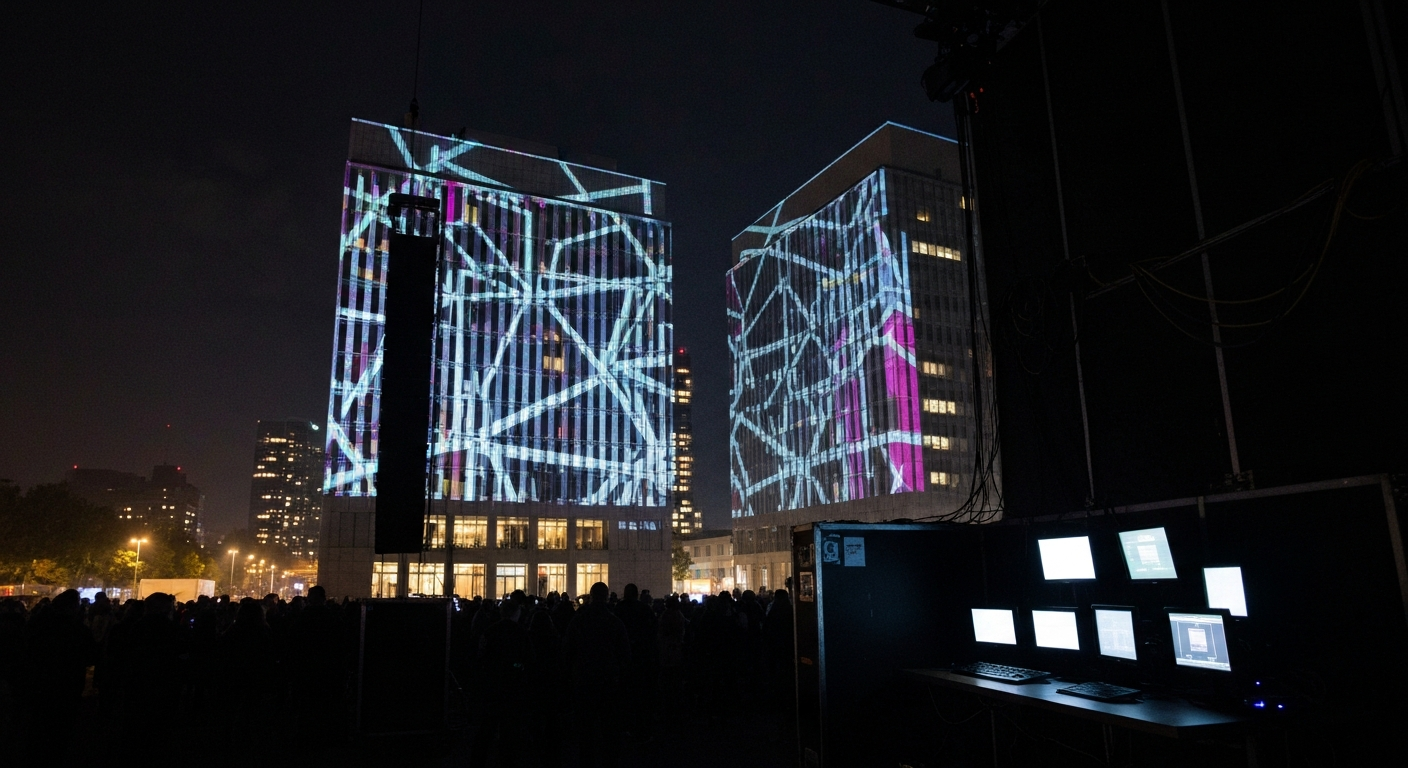
The fundamental problem with VR as an installation technology is that it's one visitor at a time. A festival installation that can host 400 guests over an evening cannot be a VR piece without either buying 30 headsets plus attendants (expensive, logistically hard) or accepting that the installation serves 6-8 visitors an hour (unacceptable for most venues).
This is the hard constraint that every optimistic VR-installation plan runs into. The medium is single-user by nature. That's its strength for presence and its weakness for crowd experiences.
Where VR does work
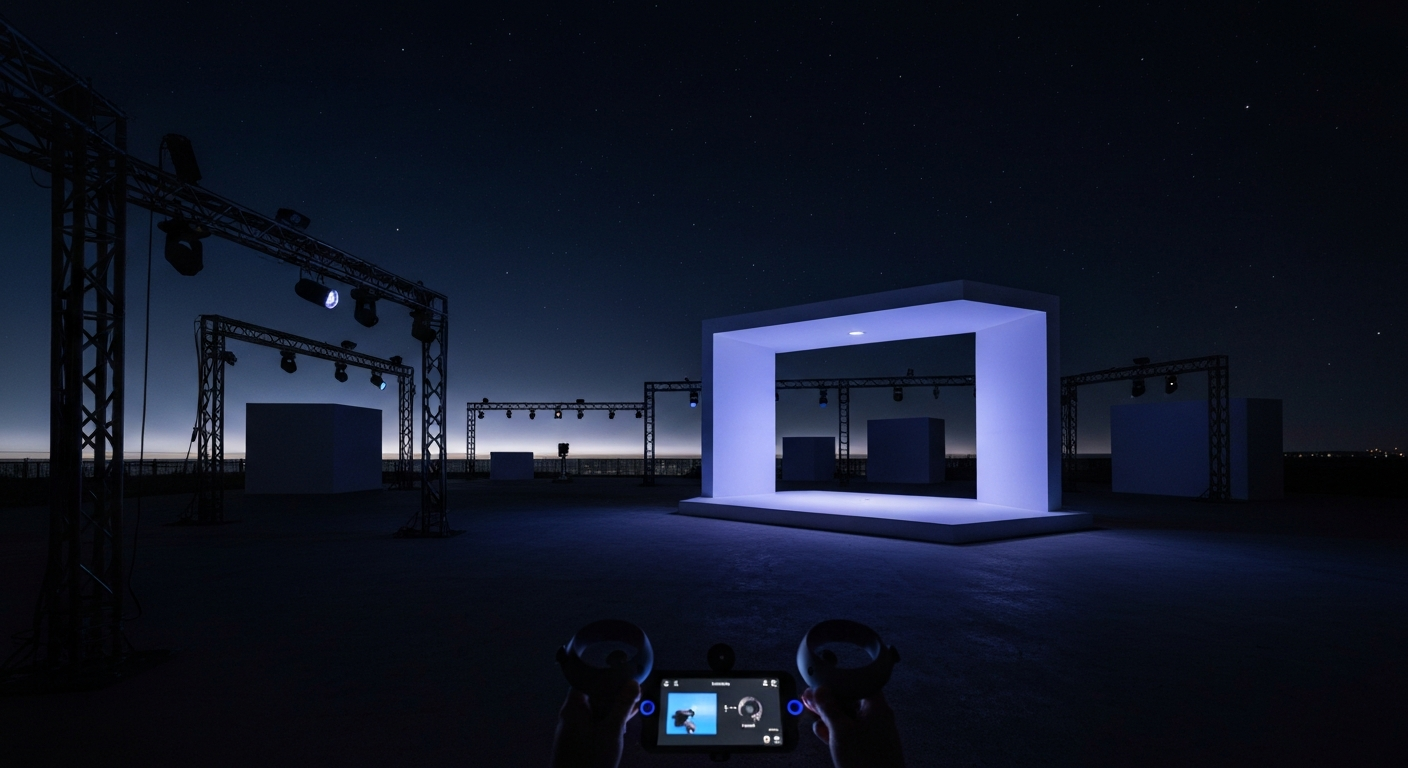
VR works beautifully for installations designed around individual experiences at slower pace. Museum exhibits where visitors rotate through 10-minute sessions. Ticketed location-based experiences where throughput isn't the driver. Sales-experience activations where a brand wants a high-intensity individual touchpoint. Artist-led pieces where the primary audience is the individual, not a crowd.
The Meta Quest 3 and similar standalone headsets made the operational footprint manageable - no tethered PC, minimal setup, reasonable battery life. VR installations in 2026 are practical where they weren't in 2020, for the subset of installations that suit the medium.
AR has a different problem
Pass-through AR - using a headset to overlay digital content on the physical room - is where a lot of recent hardware development has focused. The experience can be remarkable. The problem is that nobody wears the headsets. The Apple Vision Pro has sold less than expected; the Meta Quest 3's pass-through is excellent but not a daily driver; the HoloLens's successor is an enterprise product.
For installations, this means AR has to be either headset-provided-at-the-venue (same throughput problem as VR) or phone-based (far more limited fidelity, but solving the distribution problem). Phone AR has been a usable installation medium since ARKit 2017; the catch is that it's always going to be a secondary layer rather than the primary experience, because the phone screen is smaller than the installation.
Mixed-reality as a layer, not a replacement
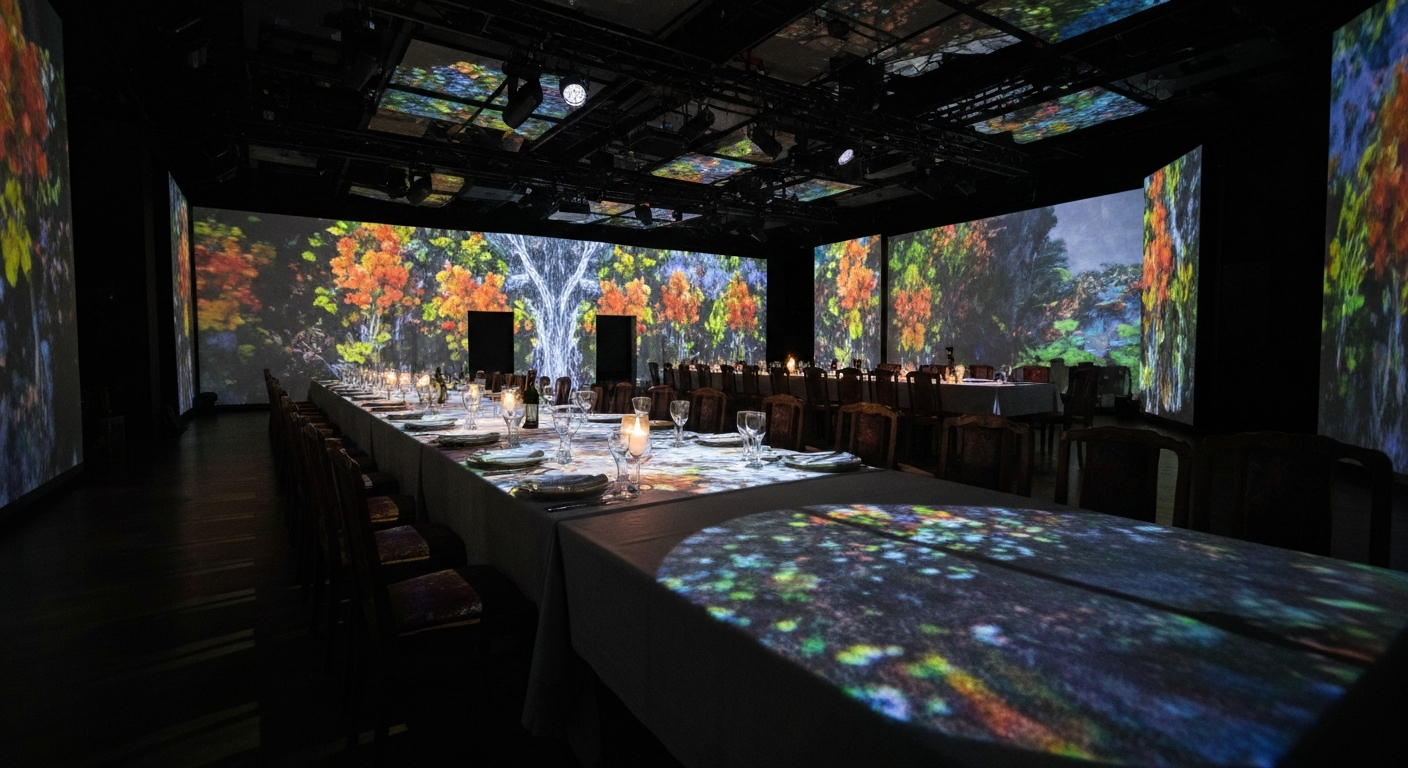
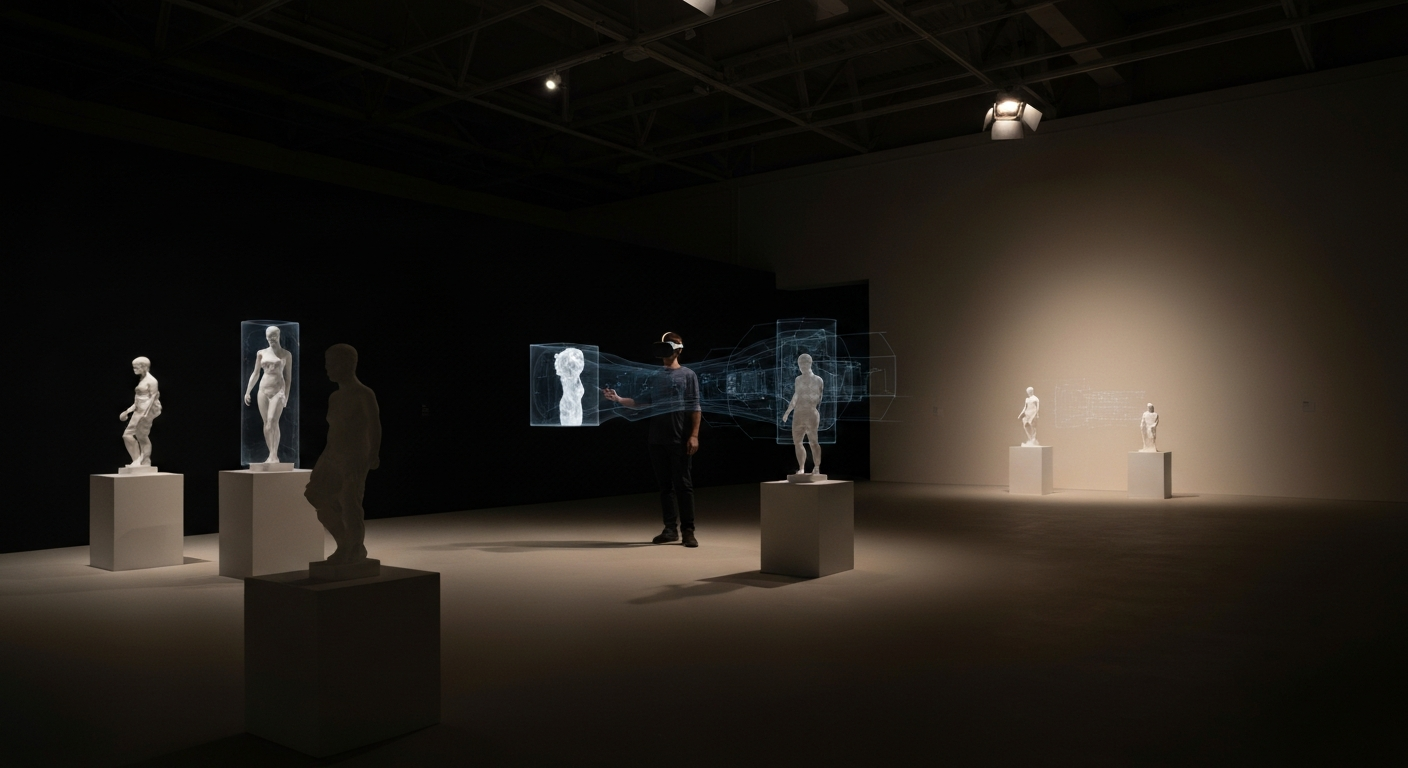
The most interesting installation work using XR in 2026 treats the mixed-reality layer as an enhancement on top of a physical installation, rather than as the primary medium. Visitors engage with the physical piece; those who want can add a digital overlay via phone or headset; the physical work stands on its own for everyone else.
This pattern works because it respects the constraints. The physical piece handles the crowd. The XR layer provides depth for the visitors who want it. Neither medium is carrying more weight than it should.
What hardware is still holding back
- Resolution. Current headsets still show visible pixels at the distances installations typically need.
- Field of view. 100-degree FOV is impressive until you realize human peripheral vision is 220 degrees.
- Battery life. Multi-hour installations require operations infrastructure that most venues don't have.
- Comfort. Wearing a headset for more than 20-30 minutes remains a barrier for many visitors.
- Social friction. Visitors wearing headsets in a public space still self-consciousness that reduces the audience willing to engage.
Each of these constraints is being chipped away, but the aggregate is the reason VR-first installations remain niche. The hardware has to solve several problems at once before the broader adoption some people keep predicting becomes plausible.
Mixed reality didn't replace installations. It added a new layer to them. Treating that layer as a replacement is how teams waste budgets; treating it as an enhancement is how they make it worth the cost.
What to watch next
Two near-term developments will change the calculus. First, pass-through AR in a pair of glasses that doesn't look ridiculous - probably not Apple first, probably a couple of product cycles away. Second, shared mixed-reality experiences where multiple visitors see the same digital content overlaid on the same physical space. Both of these expand what installation work can do with the medium. Neither makes VR the dominant installation medium. That prediction is still wrong, and is likely to stay wrong.